Ultimate Guide to Cleaning Your Invisalign Aligners

Written by: BRO Editorial Team

Last Updated: March 30, 2026


Blue Ridge Orthodontics invisalign

The “Fresh Smile” Fast Facts

  • Rinse: Every single time you take your aligners out.

  • Brush: Use a soft-bristled brush and clear, unscented antibacterial soap (never toothpaste!).

  • Soak: Daily for 15-20 minutes using Invisalign Cleaning Crystals or a professional-grade ultrasonic pod.

  • The “Golden Rule”: If your aligners are not in your face, they should be in their case.


Why Cleaning Your Aligners Matters

At Blue Ridge Orthodontics, we are a Top 1% Invisalign Provider. We know that the secret to a successful treatment isn’t just wearing the trays for 22 hours a day—it’s keeping them invisible. Without proper care, your aligners can trap bacteria against your teeth, leading to bad breath, cloudy trays, and even tooth decay.

If you are just starting your journey, be sure to check out our guide on 20 Things to Know Before Getting Braces or Invisalign to set yourself up for success.


Sign represents decision between Invisalign and other orthodontic treatment

Your Daily Invisalign Cleaning Routine

Maintaining clear trays shouldn’t be a chore. Follow this simple table to keep your smile sparkling from morning to night.

Daily Maintenance Checklist

Time of DayActionWhy It Matters
MorningBrush trays & teeth immediately.Removes “sleep bacteria” and plaque buildup from the night.
Every MealRinse trays with lukewarm water.Prevents saliva from drying into a film (biofilm) on the plastic.
EveningDeep soak for 15 minutes.Disinfects the trays and removes any micro-stains from the day.
BedtimeBrush & floss before putting trays in.Trapping food under aligners is the #1 cause of side effects like decalcification.

Deep Cleaning: The “Pro” Level Care

For a truly crystal-clear look, “just rinsing” isn’t enough. At our Asheville, Brevard, and Hendersonville clinics, we recommend the following deep-cleaning methods:

1. Ultrasonic Cleaning Pods

Modern technology has changed the game. Ultrasonic cleaners use high-frequency sound waves to create millions of “micro-bubbles” that scrub away plaque in areas a toothbrush can’t reach.

  • Note: Many BRO patients now receive an ultrasonic pod as part of their comprehensive care!

2. Invisalign Cleaning Crystals

These are specifically formulated to remove plaque and kill bacteria without damaging the medical-grade plastic.

  • Pro Tip: If you run out of crystals, a 50/50 mix of white vinegar and lukewarm water is a great DIY alternative (just rinse well afterward to remove the smell!).
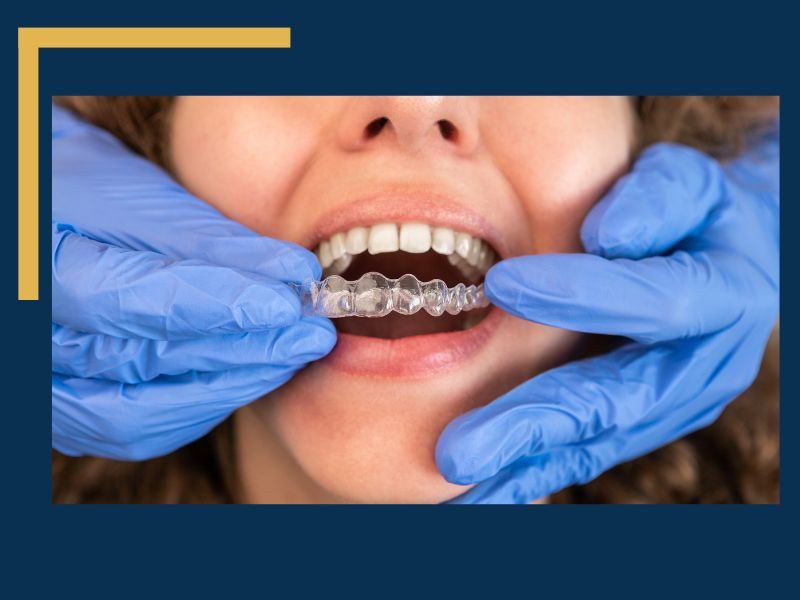

Invisalign for Teens - image of someone getting Invisalign put into their mouth

The “Never” List: Common Cleaning Mistakes

Avoid these four common errors to ensure your treatment stays on track and your trays stay clear.

Warning: Avoid These “Aligner Killers”

  • Hot Water: Extremely hot water will warp the plastic, rendering the tray useless and requiring a costly replacement.

  • Toothpaste: Most toothpastes contain abrasives (like silica) that create microscopic scratches in the plastic, making them look cloudy and “dirty.”

  • Mouthwash: Colored mouthwashes (especially blue or green) can permanently stain your clear trays.

  • Scented Soaps: Using “Fresh Spring” hand soap will make your aligners—and your next meal—taste like perfume. Stick to clear, unscented soap.


Impressions Aligners vs. Invisalign

Did you know that BRO offers Impressions Aligners? This at-home treatment uses the same high-quality materials as Invisalign. The cleaning rules remain identical: whether you are using Invisalign or Impressions, hygiene is the key to your #ImpressionSmile.


Frequently Asked Questions (FAQ)

Q: Can I drink coffee with my aligners in if I clean them immediately after?

A: No. Coffee is both hot (risking warping) and highly acidic/pigmented (risking stains). Always remove your trays for anything other than plain water.

Q: My trays are starting to smell. What should I do?

A: This is usually due to “Retainer Fatigue” or bacterial buildup. Try a 20-minute soak in a professional cleaner. If they still smell, or if you notice cracks, it might be time for a retainer replacement.

Q: Can I use a denture cleaner?

A: Generally, yes. Efferdent or similar products are safe for occasional use, but they can be slightly more abrasive than Invisalign-specific crystals.


Invisalign for Adults

Ready for a Clearer Smile?

Whether you are considering Invisalign for the first time or looking for local care in Western North Carolina, the team at Blue Ridge Orthodontics is here to help. Our Diamond+ Top 1% status means you are getting the most experienced care in the region.
Schedule Your Complimentary Consultation at BRO Today!

Side Effects of Braces: A Complete Guide to What’s Normal (and What Isn’t)

Written by: BRO Editorial Team

Last Updated: March 30, 2026


Key Takeaways: The Braces Side Effect “Cheat Sheet”

  • Normal: Mild soreness for 3-5 days after adjustments, minor cheek irritation, and temporary “lisping.”

  • Manageable: Plaque buildup and “white spots” are preventable with high-level hygiene.

  • Rare: Root resorption or allergic reactions occur in less than 5% of cases and are closely monitored by our Asheville doctors.

  • The Alternative: If you want to avoid metal-related irritation entirely, our Impressions Aligners offer a smoother, bracket-free experience.


The Adjustment Timeline: What to Expect

Understanding the side effects of metal braces is easier when you know when they happen. Most patients at Blue Ridge Orthodontics find that the “strangeness” of braces fades within the first two weeks.

Week 1: The “Getting Used to It” Phase

The most common side effect is mild discomfort. As your teeth begin their initial movement, your periodontal ligaments may feel sensitive.

  • The Fix: Stick to soft foods (smoothies, mashed potatoes) and use over-the-counter pain relief like Ibuprofen.

  • Speech Changes: You might notice a slight “whistling” or lisp as your tongue adjusts to the brackets. This usually resolves in 48–72 hours.

Months 1–3: The Adjustment Period

As you visit our Asheville, Brevard, or Hendersonville offices for tightening, you’ll experience temporary “tightness” for a day or two.

  • Soft Tissue Irritation: Brackets can rub against the inside of your lips.

  • The Fix: Apply orthodontic wax to any “poky” areas. Over time, the skin inside your mouth will toughen up (similar to a guitarist’s callouses).


Office

Common Side Effects vs. Rare Complications

While the benefits of a straight smile far outweigh the risks, we believe in total transparency for our Western North Carolina patients.

1. Decalcification (White Spot Lesions)

If plaque is allowed to sit around brackets, it can leach minerals from the enamel, leaving permanent white squares on the teeth once the braces are removed.

  • Prevention: This is 100% preventable with diligent brushing and flossing. We recommend using a water flosser once a day.

2. Root Resorption (Shortening of the Roots)

In some cases, the body’s response to tooth movement causes the tips of the tooth roots to shorten slightly.

    • The Reality: For 99% of patients, this is a microscopic change that never affects the health or longevity of the tooth.

    • Our Protocol: At BRO, we use advanced 3D X-ray technology to monitor your root health throughout treatment.


3. Ankylosis (Fused Teeth)

This is a rare condition where a tooth root actually fuses to the jawbone. This prevents the tooth from moving, even with braces.

  • The Solution: If we detect an ankylosed tooth, our oral surgery team can often assist in “unsticking” the tooth or finding a creative orthodontic workaround.


Braces vs. Impressions Aligners: Side Effect Comparison

One of the most frequent questions we hear in our Asheville clinic is: “Are the side effects the same for Invisalign or Impressions?”

Side EffectTraditional BracesImpressions Aligners
Metal IrritationCommon (Cheek/Lip rubbing)None (Smooth Plastic)
Emergency VisitsPossible (Broken wires)Rare (Lost trays)
Hygiene DifficultyHigh (Requires threading floss)Low (Trays are removable)
Diet RestrictionsNo hard/sticky foodsEat whatever you want

The BRO “Braces Survival Kit”

To minimize side effects, we recommend every patient keep these items on hand:

  1. Orthodontic Wax: Your best friend for the first month.

  2. Interproximal Brushes: Small “Christmas tree” brushes to get under the wire.

  3. Saltwater Rinse: The best way to heal a cheek sore quickly.

  4. Acetaminophen/Ibuprofen: For the first 24 hours after a tightening.


Frequently Asked Questions (FAQ)

Q: Do braces cause permanent jaw pain?

A: No. While your jaw may feel tired after an appointment, chronic pain is not a normal side effect. If you experience clicking or locking, let us know immediately.

Q: Can I be allergic to my braces?

A: It is rare, but some patients have nickel or latex allergies. We offer nickel-free brackets and latex-free elastics at all BRO locations to ensure your safety.

Q: Will my teeth fall out if the roots shorten?

A: No. Root resorption is almost always minor and does not affect the stability of the tooth in the long run.


Worried About Side Effects? Let’s Chat.

At Blue Ridge Orthodontics, we use the latest technology to make your treatment as comfortable as possible. Whether you are in Asheville, Brevard, or Hendersonville, our team is here to support you.

Ready to start? Schedule your Complimentary New Patient Exam today!

The Ultimate Orthodontics Guide: 20 Things You Should Know Before Getting Braces

Written by: BRO Editorial Team

Last Updated: March 2026


Deciding to straighten your smile is a major life milestone. Whether you’re a high school student in Brevard, a professional in downtown Asheville, or a busy parent in Hendersonville, the transition to braces comes with dozens of questions.

Girl excited about getter her new braces in Asheville

At Blue Ridge Orthodontics (BRO), we believe an informed patient is a successful patient. We don’t want you to just get braces; we want you to understand the why behind your treatment and feel totally prepared for “Bonding Day.”

Here are the 20 most important things you need to know, broken down by your treatment journey.


Part 1: The “Prep” Phase – Setting the Stage

Before the brackets ever touch your teeth, there are logistical hurdles to clear. Modern technology has made this phase faster, cleaner, and more accurate than ever before.

1. It’s a Consultation, Not a Commitment

Your first visit is entirely about discovery. It’s a conversation between you and the doctor to define your goals.

2. Forget the “Goop”: We use iTero 3D Scans

The most pleasant surprise for new patients is that we no longer use messy, gag-inducing putty molds. We use a digital wand to create a perfect 3D map of your mouth in minutes.

3. Choosing the Right Path (Comparison Table)

We work with you to find a style that fits your aesthetic, comfort, and treatment complexity. Here is how our primary options stack up:

Treatment TypeMaterialVisibilityBest For…
Traditional Metal BracesStainless SteelVisibleComplex alignment issues; maximum durability.
Invisalign®SmartTrack PlasticInvisibleFlexibility; patients who want to remove trays for eating.
Impressions AlignersMedical Plastic (BRO Proprietary)InvisibleOur #1 choice for local, doctor-led clear aligner therapy.

4. Clear a Few Hours for “Bonding Day”

The initial application (bonding) takes about an hour. After that, your follow-up appointments (adjustments) will be significantly shorter—often just 20 minutes every 6–8 weeks.

5. Your Pre-Braces “Survival Kit” Shopping List

Before your bonding appointment, stock your medicine cabinet. You will use these items daily for the first month.

  • [ ] Orthodontic Wax (to protect your cheeks).

  • [ ] Water Flosser (highly recommended for deep cleaning).

  • [ ] Interproximal brushes (to clean under the wire).

  • [ ] Soft foods: Smoothies, protein shakes, pasta, mashed potatoes.


Part 2: Life with Braces – The Daily Adjustment

Once the braces are on, your lifestyle will shift slightly. The key is adaptation.

A Tip from Dr. Roberts: “The first week is the biggest hurdle. Your cheeks and tongue need time to develop ‘callouses’ against the brackets. If you can get through day seven, you can get through the whole treatment!”

6. Pressure vs. Pain

You won’t feel any pain when the braces are applied. However, you will feel a “tight hug” or pressure on your teeth for 3–5 days after each adjustment. Ibuprofen is generally enough to manage this.

7. The Diet Shift: What to Avoid

Hard, crunchy, and sticky foods are temporarily off the menu. We aren’t trying to be mean; we are trying to prevent “emergency” repair visits (broken brackets), which add weeks to your treatment time.

Smile-Safe Diet Cheat Sheet

Food TypeSmile-Friendly (Enjoy!)Wait Until Later (Avoid)
GrainsPasta, Soft Bread, Rice, Cooked OatsTortilla Chips, Hard Pretzels
ProteinsYogurt, Smoothies, Mashed Potato, TunaSteak on the bone, Jerky, Sticky Ribs
Fruits/VegBananas, Grapes, Apple SauceWhole Apples, Corn on the Cob
SweetsPudding, Jell-O, Small CupcakesCaramel, Gummy Bears, Toffee

8. The Temporary Lisp

You might notice a slight change in your speech for the first 48 hours. The more you talk, the faster your tongue adapts. Read out loud to yourself!

9. Hygiene is Your New, Non-Negotiable Job

Braces create tiny “food traps.” Flossing is crucial. If you neglect cleaning, you risk permanent white spot lesions (decalcification) when the braces are removed.

10. The “Mirror Checker” Habit

You will instinctively check your teeth in every reflective surface—phones, cutlery, windows—to ensure no food is stuck in your wires. We promise you won’t even notice you’re doing it.

11. Fuller Lips: The “Lip Volumizing Effect”

Many patients are pleasantly surprised to see their lips appear temporarily “plumper” because the brackets provide support just under the skin.

12. Wax is a Lifesaver (How to Use It)

If a bracket is rubbing, simply dry the area, pull a small pea-sized amount of wax, and mash it over the bracket that’s poking you. Instant relief.


Part 3: The Science of Your Smile

Orthodontics is a medical specialty focused on the health of your entire jaw system. It’s about way more than cosmetic straightening.

13. It’s All About the Bite (Your Occlusion)

Straight teeth are great, but a healthy occlusion (bite)—how your top and bottom teeth mesh—is the critical part of your treatment. Correcting your bite stops tooth wear and prevents jaw pain (TMJ) later in life.

14. Age is Just a Number (Adult Treatment is Up 25%)

Over 25% of our patients at BRO are adults. If your teeth are healthy, they can be moved safely at any age. It is never too late to invest in yourself.

15. The “Wiggly” Sensation (Is Normal)

To move a tooth, the bone must soften slightly. That “loose” or “wiggly” feeling means the treatment is working. Don’t worry—your teeth will stabilize once they reach their new home.

16. Compliance Equals Speed: Wear Your Elastics!

Rubber bands (elastics) are used to move your jaw into proper alignment. If we ask you to wear them 22 hours a day, do it. Patients who follow instructions often finish treatment months earlier than scheduled.

17. Retainers are Forever

Your teeth have memory. Once the braces come off, your retainer is the only thing keeping your new smile from drifting back to its old position.


BRO Outside

Part 4: The Blue Ridge Orthodontics Difference

Choosing a local orthodontist means choosing a team that understands your community.

18. 3D & Digital-First Care

We use digital impressions and offer virtual check-ins for our busy patients, significantly reducing the number of times you have to drive into the office.

19. Flexible Financing

We believe a healthy smile shouldn’t be a financial burden. We offer 0% interest financing and work with almost all Western North Carolina insurance providers.

20. A Smile Built for Your Lifestyle

From our community service projects to our school partnerships, we are invested in your success. Whether you’re a high school student in Brevard or a professional in downtown Asheville, we customize the treatment to fit you.


Frequently Asked Questions (FAQ)

Q: How much do braces cost in Asheville? A: Costs vary based on the complexity of the case, but we offer low monthly payments and $0-down options to make it affordable for everyone.

Q: Can I still play sports or instruments? A: Yes! Athletes need a mouthguard (provided by us), and musicians usually adjust within a week.

Q: How long does treatment take? A: The average is 18–24 months, but with modern technology, many cases are finished in under a year.


Ready to take the first step?

Getting braces is one of the best investments you will ever make in yourself. If you’re ready to see what’s possible, we’re here to help.

Click here to schedule your New Patient Exam at any of our three WNC locations!

For more information about us, check out our Orthodontics FAQ page.

5 Signs Your Retainer Needs A Replacement: The Ultimate Care Guide

,

How Often Should You Replace a Retainer?

While your smile is permanent, your retainer is not. On average, clear (Essix) retainers should be replaced every 6–12 months to prevent “retainer fatigue,” while Hawley (wire) retainers can last 5–10 years with proper care. If you see cracks, feel a loose fit, or notice “white spots” that won’t brush away, it’s time for a new one.


Tips for Cleaning Your Retainers

Understanding Your Retainer Options

Before we dive into the signs of wear, it’s important to know which type of retainer you have, as their “expiration dates” vary significantly.

Retainer Comparison Table

Retainer TypePrimary MaterialAverage LifespanBest For…
Essix (Clear)Transparent Plastic6–18 MonthsAesthetics; patients who want an “invisible” look.
Hawley (Wire)Acrylic & Metal5–10 YearsDurability; patients who tend to grind their teeth.
Permanent (Bonded)Stainless Steel Wire10+ YearsSet-it-and-forget-it; prevents lower teeth shifting.

The 5 Warning Signs You Need a Replacement


1. Visible Cracks or “Stress Fractures”

Over time, the constant pressure of your teeth and the act of removing the retainer daily create micro-cracks in the plastic.

  • The Risk: Once a crack appears, the retainer loses its structural integrity. It can no longer apply the consistent pressure needed to keep your teeth from shifting.

  • What to look for: Hold your retainer up to a bright light. If you see tiny “spiderweb” lines, it’s failing.

2. The “Loose Fit” (Retainer Fatigue)

Do you find your retainer sliding off your teeth too easily? Or maybe it feels less “snug” than it did a year ago? This is called Retainer Fatigue.

  • The Science: Plastic has “memory,” but that memory fades. Every time you pull the retainer off your teeth, you stretch it by a fraction of a millimeter.

  • The Test: If you can flip the retainer off with your tongue, it is no longer doing its job.

3. Warping from Heat

Your retainer is made of medical-grade thermoplastic, which means it is sensitive to temperature.

  • Common Mistakes: Cleaning it in the dishwasher, using boiling water to “sanitize” it, or leaving it in a hot car in the North Carolina summer.

  • The Result: Even a slight warp—invisible to the naked eye—can push your teeth into the wrong position.

4. Excessive Calcium Buildup (Tartar)

Even with diligent cleaning, your saliva contains minerals that create a hard, white crust on the retainer over time.

  • The Problem: Once calcium (tartar) hardens on the plastic, it becomes a breeding ground for bacteria and can cause bad breath or gum irritation. If a soak in white vinegar or specialized cleaner doesn’t remove it, the retainer is no longer hygienic.

5. You’ve Lost Your Retainer

It happens to the best of us—the “napkin at the restaurant” trick is the #1 cause of lost retainers.

  • Don’t Wait: Your teeth can begin to shift in as little as 24 to 48 hours without a retainer. If you lose yours, call our Asheville, Brevard, or Hendersonville office immediately for a new scan.


Braces Info

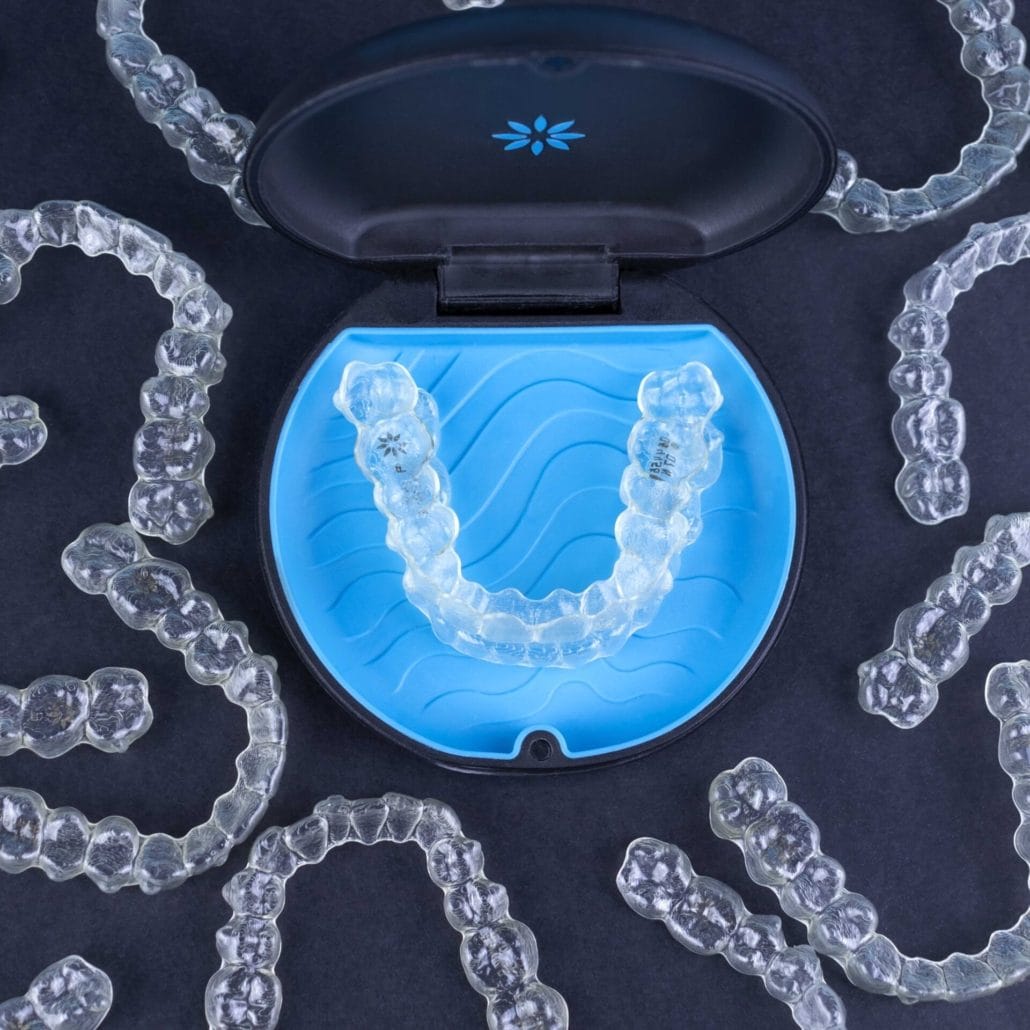
Plastic case with invisible transparent orthodontic retainers invisalign. Aligner brackets or braces dental container

Modern Solutions: No More “Putty” Impressions

At Blue Ridge Orthodontics, we know that the old way of getting a replacement—biting into cold, messy putty—was the reason many patients avoided getting new retainers.

The BRO Advantage: We use iTero Digital Scanners to take a 3D image of your teeth. It’s fast, clean, and allows us to keep a “digital master” of your smile on file for future replacements.


Retainer Care FAQ

Q: Can I wear my cracked retainer until I get a new one?

A: Yes, usually. It is better than wearing nothing at all, but call us immediately. A cracked retainer can break in your sleep, posing a minor choking hazard.

Q: How much does a replacement retainer cost in Asheville?

A: Prices vary based on the type, but we offer affordable replacement options and often have specials for former BRO patients.

Q: Can I just order a retainer online?

A: We strongly advise against “mail-order” retainers. Without a doctor’s supervision, you risk wearing a retainer that fits poorly and could actually damage your bite or root health.


Protect Your Investment

You spent months (or years) in braces or Invisalign to get that perfect smile. Don’t let a worn-out retainer take it away.

Request your Replacement Retainer Appointment at BRO Today!

For more Orthodontics Frequently asked questions, visit out FAQ Page

BROR Monthly Special

How to Clean and Care for Your Invisalign Aligners the Right Way

Keeping your Invisalign aligners clean is equally as important as wearing them consistently. Wearing trays for up to 22 hours a day, keeping them fresh is essential, and not just for your oral health, but also to ensure they stay invisible and effective.

Other ways to care for such valuable instruments include rinsing them with lukewarm water whenever you remove your aligners, whether to eat, drink anything other than water, or brush your teeth. This helps wash away saliva, bacteria, and any food particles.

Brush Gently, Soak Daily

Once a day, take a few minutes to clean your aligners thoroughly. A soft toothbrush and clear, unscented antibacterial soap (not toothpaste, as it can scratch). Gently brush the inside and outside of each tray. It’s also a good idea to soak them daily in Invisalign cleaning crystals or a denture cleaner to remove deeper buildup and keep them looking clear.

Before popping your aligners back in, make sure you brush and floss your teeth. This step helps keep aligners from trapping food, sugar, and bacteria against your teeth, which could lead to cavities or gum issues. A clean mouth equals clean aligners, which equals a healthy smile.

Avoid Hot Water and Harsh Cleaners

Hot water may damage the aligners, as well as harsh cleaners or mouthwash, by discoloring or warp the plastic and ruining the fit. It would be best to use only lukewarm water and mild soap for the best results.

Keep Them in Their Case

When the aligners are not in use, it is best to store them in the protective case. This way they are kept clean, safe, and less likely to end up discarded into the trash wrapped in a napkin (which happens more than you’d think). Taking care of your Invisalign aligners doesn’t have to be complicated. A few small habits go a long way in keeping your trays fresh and your smile on track.

Life with Braces or Aligners: School-Friendly Tips for Western NC Students

Braces are part of growing up, worn by over half of children and teens. This procedure can improve dental health and create a gorgeous smile, but it takes some work. While basic dental routines seem simple from the comfort of home, things get a bit more complicated when you arrive at school. Between different foods and busy bathrooms, you may wonder how to follow your orthodontist’s recommendations.

The good news? A few minor adjustments can make a world of difference. Below, we’ll share all the secrets to navigating school life in Western North Carolina, all while keeping your braces and your teeth as clean and comfortable as possible.

Choosing the Right Lunch

Life with braces may require a few adjustments to your diet. You may be taking a break from taffy and popcorn, or you may need to cut your food into smaller pieces. These mealtime or snacktime routines might feel straightforward at home, where you have plenty of alternatives in the pantry. Still, braces don’t need to stand in the way of an enjoyable school lunch.

You’ll enjoy far more control over your lunchtime experience if you pack your own food. Skip the crunchy nut butters and difficult-to-chew apples, opting instead for grapes or pitas with hummus. Hot lunches add extra complications. There are only so many options available in the lunch line, after all, and they might not always work well with braces. When in doubt, stick with softer foods like spaghetti or grilled cheese sandwiches. If you have lunch after an adjustment, opt for cold foods that can help ease mild discomfort.

Cleaning Teeth at School

After lunch, you might notice food stuck in your teeth. What is the best time and place to remove/clean? Right after lunch, as you visit the school bathroom. It shouldn’t take long to clean your teeth, but you’ll need to pack the right supplies. Bring a travel kit, complete with a small toothbrush and toothpaste, plus braces-friendly floss or flossers.

If you feel awkward, try different bathrooms at different times of the day to get a feel for which are less busy so you can brush and floss in peace. You may be surprised to discover that many other students clean their teeth at school.

Taking Time Out for Orthodontic Appointments

The right mealtime and hygiene routines can set the stage for a successful braces journey, but orthodontic appointments are just as important. At times, these may be scheduled during the school day.

These daytime appointments shouldn’t have a huge impact on your school experience. Your Western NC orthodontist can provide a letter to explain the need for the visit, which, in most cases, will last just half an hour. Check with your teacher to discover what you missed and what you need to make up. It’s possible that you may experience a little discomfort after your appointment. This should fade away quickly, but, in the meantime, cool water may help.

Child and Teen-Friendly Care at Blue Ridge Orthodontics

Your braces adventure doesn’t have to be stressful. At Blue Ridge Orthodontics, we’re all about making kids and teens feel comfortable and confident. Serving Asheville, Brevard, and Hendersonville, we’re here to help you or your child score a beautiful and healthy smile. Call 828-537-5338 or fill out our contact form to learn more.

Your First Week with Invisalign: Tips for a Smooth Start

You’re excited to show off your dream smile, and you think Invisalign will help you achieve it. Simple, discreet, and wonderfully convenient, Invisalign holds the secret to a straighter and healthier smile. First things first, which is to start with an initial consultation with Blue Ridge Orthodontics. We’ll use 3D computer imaging to create a precise scan — no messy impressions needed!

Next, you’ll receive your set of trays, which you can start wearing as soon as your orthodontist gives you the go-ahead. Week one with Invisalign will be a breeze. Still, it’s natural to feel nervous. We’ll walk you through all the essentials below so you can get your Invisalign journey off to a strong start. 

The Invisalign Learning Curve

Like anything new, it takes time to adjust to Invisalign. This learning curve includes both inserting and removing your aligners. This seems straightforward. In reality, aligners can feel a bit cumbersome when you’re not used to them. With practice, you’ll adjust. Soon, this will be a natural part of your daily routine, as straightforward as brushing and flossing your teeth. 

You may need to start brushing after every meal, rather than just twice a day. Aligners keep teeth enclosed, after all, so it’s easier for food particles to remain trapped against the teeth.

When you work with Blue Ridge Orthodontics, you can expect plenty of guidance. We will teach you how to put in (and take out) your aligners. We’ll also provide helpful oral hygiene suggestions.

 What does it feel like?

Aligners apply gentle pressure to your teeth, allowing them to straighten gradually. At first, this pressure may feel slightly uncomfortable. Some soreness is to be expected, but this should be temporary. Before you know it, this sensation will fade away. At no point during your Invisalign experience should you feel severe pain or discomfort.

Limit discomfort by eating soft foods for a few days, such as yogurt, oatmeal, or soup. If needed, you can also use an over-the-counter pain reliever. When in doubt, always ask your orthodontist for advice.

Another adjustment to expect is that speaking may seem difficult at first. Don’t be surprised if you find yourself lisping. You’ll adjust quickly, and any lisp should disappear after a few short days.

Embrace Invisalign at Blue Ridge Orthodontics

Discover a brand-new smile with help from Blue Ridge Orthodontics. We’re excited to introduce you to the wonders of Invisalign. As a VIP partner, we’ve been named one of the top one percent Invisalign providers, two years in a row!

Ready to begin your Invisalign journey in Asheville, Brevard, or Hendersonville? Contact the Blue Ridge team and get started today.

Can Teens Use Invisalign®? Here’s What Parents Need to Know

Yes, teens can use Invisalign®—and for many, it’s a great choice. If your teen needs orthodontic treatment but doesn’t love the idea of metal braces, Invisalign® offers a more low-key, flexible option that still gets real results. It uses a set of clear, removable aligners to move teeth gradually into place, and it’s nearly invisible when worn. For teens who care about how they look in photos or don’t want braces to get in the way of sports, music, or everyday life, that can be a big deal.

But let’s be real: Invisalign® only works if you actually wear the aligners. They’re supposed to be in for 20 to 22 hours a day, which means taking them out only for eating, brushing, or quick breaks. If they’re constantly off, left in a backpack, forgotten on a lunch tray, or taken out for hours at a time, the treatment will drag on or won’t work as planned. It’s not just about starting the process, as it’s about sticking with it every day.

That’s where maturity and responsibility come in. Invisalign® gives more freedom than braces, but it also demands more self-discipline. If a teen tends to lose things or forget routines, it can be a challenge. Some orthodontists still offer optional wear indicators (small colored dots on the aligners that fade the more they’re worn), which can help track use, but ultimately, it comes down to honesty and consistency.

From a comfort perspective, most teens prefer Invisalign® over braces. Aligners are made from smooth plastic, so there are no wires poking your cheeks or brackets causing sores. And since you can take them out, eating is way easier, no banned snacks or worrying about popcorn at the movies.

It’s also worth noting that Invisalign® isn’t right for everyone. This process works best for mild to moderate alignment issues, like small gaps or slightly crooked teeth. For more complex cases, traditional braces may still be the better option. That’s why an orthodontic consult is important to figure out what will actually work.

Bottom line: teens can use Invisalign®, and many love the freedom and look it offers. But success depends on daily habits. If your teen is up for the responsibility, Invisalign® can be a smooth, discreet path to a better smile.

How Long Does Invisalign® Take? Timelines Explained by Experts

Invisalign® offers a discreet way to straighten a patient’s teeth without the metal brackets and wires of traditional braces. Using clear, removable aligners, it gradually shifts teeth into alignment. A normal concern for patients considering this option is how long treatment will take. While the exact timeline depends on individual needs, a general range and outline several key factors that can influence how long it takes.

Most Invisalign® treatments can last, in general, between 14 and 20 months. For those with only minor issues like small gaps or mild crowding, results may be achieved in as little as six months. More involved cases, such as significant bite problems or major tooth rotation, can require up to two years or longer. Since every smile is unique, treatment plans are customized based on the complexity and goals of each case.

Several factors play a role in determining how long Invisalign® treatment takes:

  • Severity: Mild cosmetic corrections are typically faster to treat. More serious issues, including bite misalignment or multiple rotated teeth, usually require a longer timeframe.

  • Daily Wear Time: The aligners must be worn for 20 to 22 hours a day. Skipping days or frequently removing them for extended periods can delay progress and extend the overall treatment period.

  • Age and Dental Health: The younger the patient is, can experience faster results due to more adaptable bone structure. Still, healthy gums and teeth are essential at any age for successful treatment.

  • Technology and Supervision: Advances in aligner materials and digital tracking have made Invisalign® more efficient. With tools like SmartTrack and virtual monitoring, patients may see more precise and sometimes faster results.

While treatment time matters, the focus should always be on achieving a stable, healthy, and well-aligned bite. Digital imaging and customized planning during the first consultation help provide a realistic estimate based on your specific case. Wearing aligners as instructed and attending regular checkups are essential for completing treatment on schedule.

Contact us at Blue Ridge Orthodontics today to set up your appointment.

Blue Ridge Diamond+ Invisalign Provider Status—What It Means for You

Invisalign helps you achieve a more perfect smile by using the clear, removable aligners to straighten your teeth. They achieve the same results as braces while being nearly invisible and can be taken out for 2-4 hours a day, allowing you to eat the same foods and clean your teeth as you always did. Once you’ve decided on this advanced treatment, how do you find a dentist who excels at it?

What Is a Diamond+ Invisalign Provider?

This designation is awarded to a dental professional who has demonstrated a high level of experience and expertise in treating patients with Invisalign clear aligners. At Blue Ridge Orthodontics, we are the only practice in Western North Carolina to hold this distinction. This puts us in the top 1 percent of Invisalign providers in North America for the second consecutive year. This badge of honor signifies that we treat at least 800 Invisalign cases every 6 months at our convenient locations in Asheville, Brevard, and Hendersonville.

What Does It Mean for You?

This high volume of skill rewards you with many benefits:

  • Experience. Because we treat more patients, we can develop more expertise and a deeper understanding of dental challenges and potential solutions. You can come to us with confidence, knowing that we can address any issue that your particular case might present.
  • Advanced Innovations. As a Diamond+ Invisalign Provider, we regularly have access to the latest Invisalign innovations, which we use to improve our dental technology and techniques.
  • Proven Results. We can only reach this number of patients by continuously achieving successful outcomes that satisfy our patients’ needs. Our goal is to build a strong connection with you by empathizing with your feelings, explaining your treatment options, and doing what we can to make you feel relaxed and comfortable. Our processes practically ensure that your treatment outcome will be effective.

Why Choose Us?

The experienced, knowledgeable and friendly team at Blue Ridge Orthodontics emphasizes outstanding customer service as we deliver high-quality and professional orthodontic care. We use state-of-the-art treatment options, such as computer-designed dental appliances and iTero 3D scans with no radiation. We are excited to offer Invisalign as an alternative method of straightening your teeth that eliminates the need for braces.

We appreciate our patients’ trust through appreciation events, regular contests, and a patient rewards program that awards points for being on time for appointments, referring friends, and wearing dental appliances as instructed. To encourage dental positivity in kids, young patients can choose something from our prize box at each visit. We also care for our local community by contributing money and volunteering time to support charitable groups, school sports teams, and non-profit organizations.

How to Get Started

To experience Diamond+ Invisalign service in person, please contact us at Blue Ridge Orthodontics for a complimentary consultation. We’ll give you a complete oral exam with X-rays and tailor a custom plan for you.